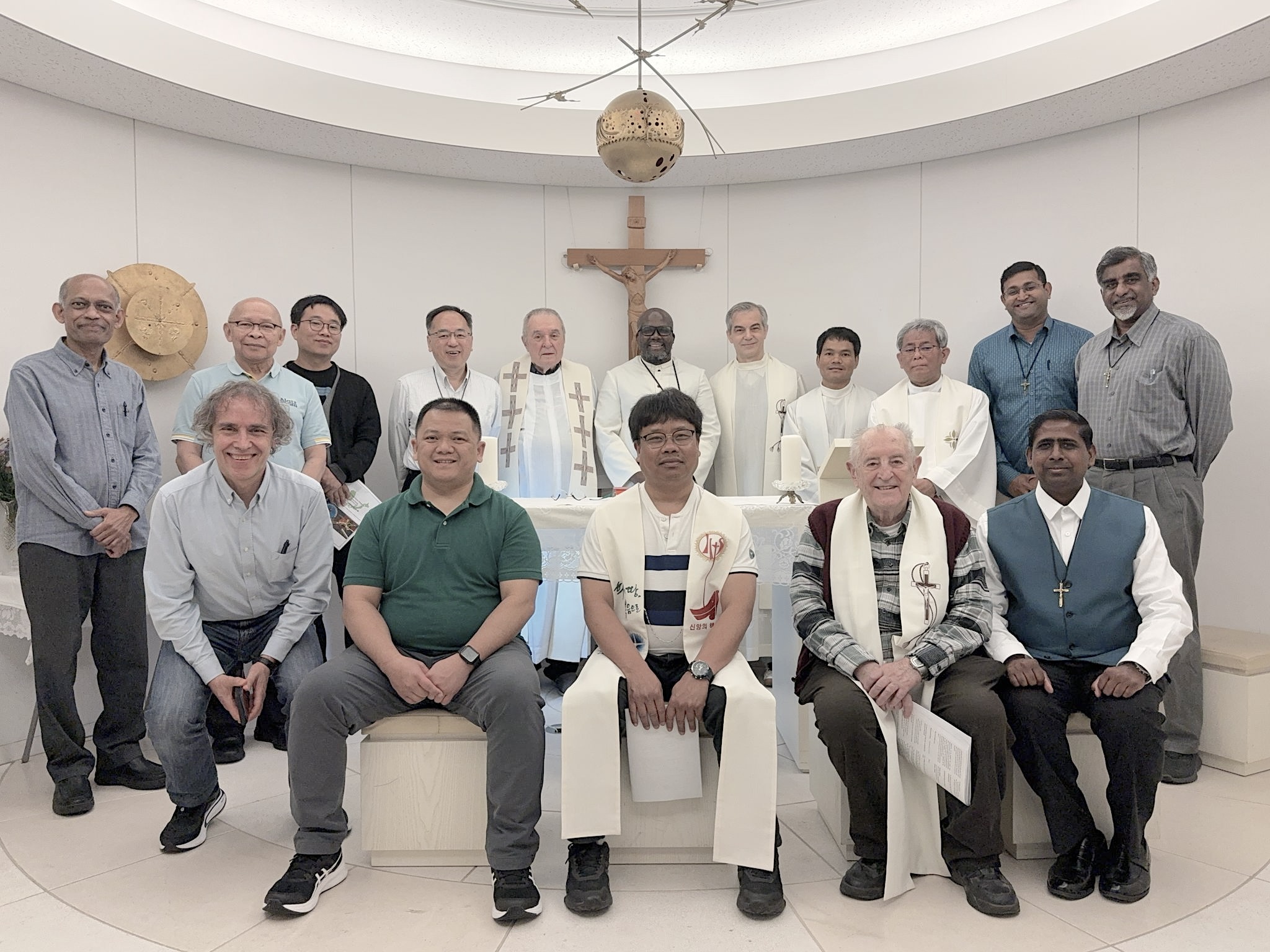
Bro. Prasanna Perera, OMI – Dear friends, I am delighted to write to you once again through the Oblate Website. By the time you read this, I will probably be back in Sri Lanka.
As I look back on my missionary experience in Japan, many memories come to mind. I could write about the beautiful places I visited, the food I tasted, or the activities I took part in. However, what I remember most are the people I met, the experiences we shared, and the little things that made my time in Japan special.
When I was sent to Japan on 1 May 2025 for a two-year missionary exposure, I understood that my first year would mainly be spent learning Japanese and the second year would give me an opportunity to experience the Oblate mission. I was excited about this new journey. At times, I wondered why I had been chosen for this mission and whether I was really ready for it. Leaving familiar surroundings and beginning life in a completely different country was not always easy. But I decided to take things one day at a time and trust in God’s guidance.
Learning to Understand a Different Culture
Coming from Sri Lanka, I was used to a way of life in which people often express their feelings openly and spend a lot of time with family, friends, and neighbors. Japan was quite different in many ways. I noticed how much importance people gave to punctuality, personal space, and consideration for others. I sometimes wondered why people did certain things in a particular way. Slowly, by observing them and asking questions, I began to understand more about Japanese daily life.
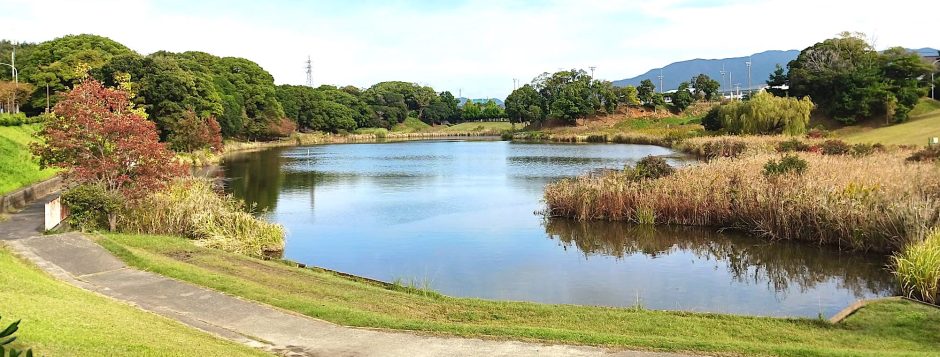
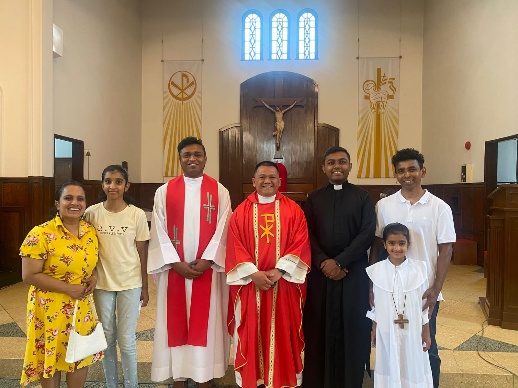
I still remember my arrival at Fukuoka Airport and my first journey to Koga. Everything around me was new, and communicating in Japanese was a challenge. My first Sunday Mass in Japan was at Koga Church. I was a little nervous because I did not know many people and could not speak the language well. However, the parishioners welcomed me warmly. Some of them showed me photographs from their visits to Sri Lanka. I was surprised and happy to see familiar places in those photographs. It also gave me something to talk about with them, even though my Japanese was limited. That small experience helped me feel comfortable and welcomed.
Another interesting part of living in Japan was discovering how people communicate. I came across the expressions honne and tatemae, which helped me understand the difference between a person’s private feelings and the way they may express themselves in public. I also noticed how people showed consideration in ordinary situations. Keeping public places clean, sorting rubbish correctly and speaking quietly on trains were some examples. These things were part of everyday life, but they made me think about how we show respect to others.
Of course, understanding a culture is not always easy. Sometimes I misunderstood situations or expected people to behave as I would in Sri Lanka. With time, I understood that I needed to listen more and judge less. I was not there to compare two cultures and decide which was better. I was there to learn how people live and to find my place among them.
Discovering the Christian History of Japan
My visits to Nagasaki were among the memorable experiences of my time in Japan. I had heard about the history of Christianity in Japan, but visiting the places connected with that history made it much more real to me.
Christianity came to Japan with the arrival of St. Francis Xavier in 1549. Later, many Christians faced persecution because of their faith. I was especially moved by the story of the Twenty-Six Martyrs of Japan and the Hidden Christians of Nagasaki, who continued to preserve their faith during difficult times.
After watching the film Silence (2016), I became even more interested in this history. The suffering of those Christians and the difficulties faced by missionaries made me think about the meaning of faithfulness. Their stories stayed in my mind, especially when I faced my own difficulties in learning the language and adjusting to a new way of life. My struggles were certainly not comparable to theirs, but their example encouraged me to appreciate the freedom and opportunities I have today.
Finding God in a Quiet Mission
One thing that surprised me about Japan was the small number of Catholics compared with what I was familiar with in Sri Lanka. In Sri Lanka, churches are often filled with people, and religious celebrations can be lively. In Japan, I experienced a much quieter church environment.
There were weekdays when nobody came to the church. Sometimes, after finishing my morning activities, I would find myself in a very quiet church. I also had days when I felt lonely because I could not express myself properly in Japanese. It was not always easy to accept this kind of routine, especially when I was used to being surrounded by people.
During those moments, I sometimes wondered what exactly I was doing there. I had come to Japan as a missionary, but there were days when there seemed to be very little missionary activity. Gradually, I became more comfortable with the ordinary rhythm of life. Celebrating Mass, praying, meeting the people who came to the church, and simply being available became important parts of my daily routine.
One experience I will never forget happened when I became ill with shingles. The pain was so uncomfortable that even putting on a T-shirt and sleeping became difficult. A parishioner noticed that I was not well and kindly took me to the hospital. The person stayed with me for hours while I received medical attention. I was deeply grateful because I knew how difficult it could be to manage such a situation in a country where I could not communicate well.
I still remember that kindness. It was not a big public event or an organised activity. It was simply someone noticing that another person needed help and taking the time to care. For me, that was one of the most meaningful experiences of my stay in Japan.
Things I Learned from Everyday Life
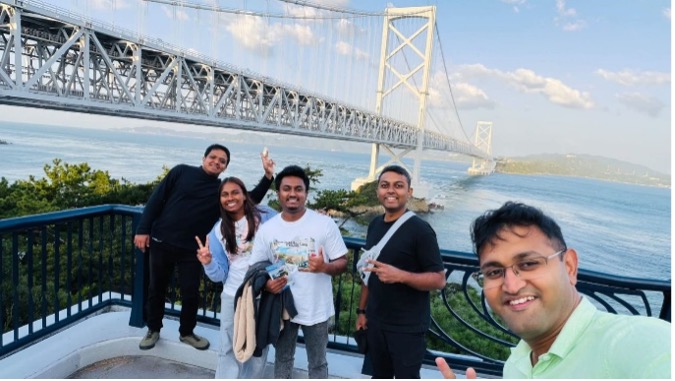
My daily routine in Japan was quite simple. Most weekdays began with Holy Mass and Japanese lessons in the morning. After that, I had household responsibilities and other activities. During my free time, I enjoyed gardening, walking, and cycling. These activities gave me a chance to relax and enjoy my surroundings.
Learning Japanese was probably one of my biggest challenges. I studied grammar and vocabulary, but using the language in real conversations was a different experience. I made many mistakes, sometimes because I forgot words and sometimes because I could not put a sentence together properly. There were moments when I wanted to explain something but could not find the right words.
Whenever someone encouraged me by saying “Ganbatte kudasai” (頑張ってください), meaning “Keep going” or “Do your best,” I felt happy and motivated. I also often heard Otsukaresama deshita, an expression used to acknowledge someone’s effort. These small expressions became familiar to me, and I appreciated hearing them, especially on days when studying Japanese felt difficult.
Reflection on My Vocation
My time in Japan has given me many opportunities to think about my vocation. I thought about the activities I might take part in, the people I would meet, and the work I would do. Some things happened as I expected, while others were completely different.
There were moments of happiness and excitement, but there were also moments of loneliness, uncertainty, and frustration. Learning a new language, adjusting to a different culture, and living away from familiar people were not always easy. However, these experiences helped me look at my vocation from a different perspective.
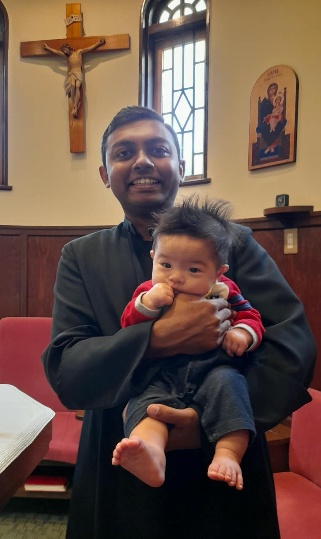
I often think about what it means to follow Christ in everyday life. We sometimes imagine that missionary work must involve great activities or visible results. But my experience in Japan showed me that much of our work can happen quietly. It can be found in celebrating the Eucharist, listening to someone, sharing a meal, helping with a small task or simply being present.
I also began to think more seriously about the meaning of simplicity and service. Am I willing to put others first? Can I remain patient when things do not go according to my plans? Can I continue serving even when I do not see immediate results? These are questions I continue to carry with me.
Another thing I appreciated during this journey was the bond among missionaries. We may come from different countries, speak different languages and have different backgrounds, but we share the same mission. Living and working together has helped me appreciate this international character of our Oblate family.
Thank You
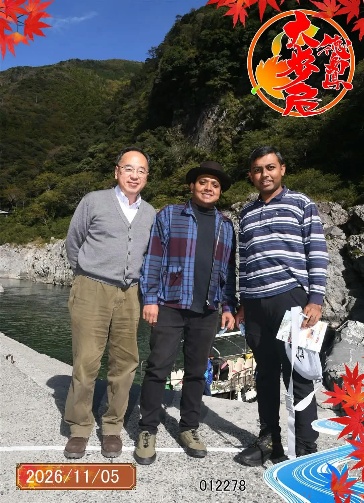
I would especially like to express my heartfelt gratitude to all the Oblates in the Delegation of Japan-Korea and to all the parishioners of Koga, Naruto, Itami, and Toyohashi Churches. You made me feel welcome. Your kindness, friendship, and encouragement meant a great deal to me. I may not remember every conversation or every small detail, but I will always remember how you treated me.
Thank you for making me feel part of your parish family, for praying for me, and for supporting me and the Oblate community here in Japan. Your friendship has become an important part of my missionary experience.
As I prepare to return to Sri Lanka and begin another chapter of my journey, I will carry many memories of Japan with me. I will remember the people, the places, the challenges, the laughter, and even the difficult days. Each of these has become part of my story.
Please continue to pray for me, for the Oblate community in Japan and for the Church in Japan. Remember especially the Japanese people, those who are searching for God, and all those who quietly serve the Church. I will also remember you in my prayers.